Emergency Dentist Los Angeles CA for Severe Pain Under a Crown
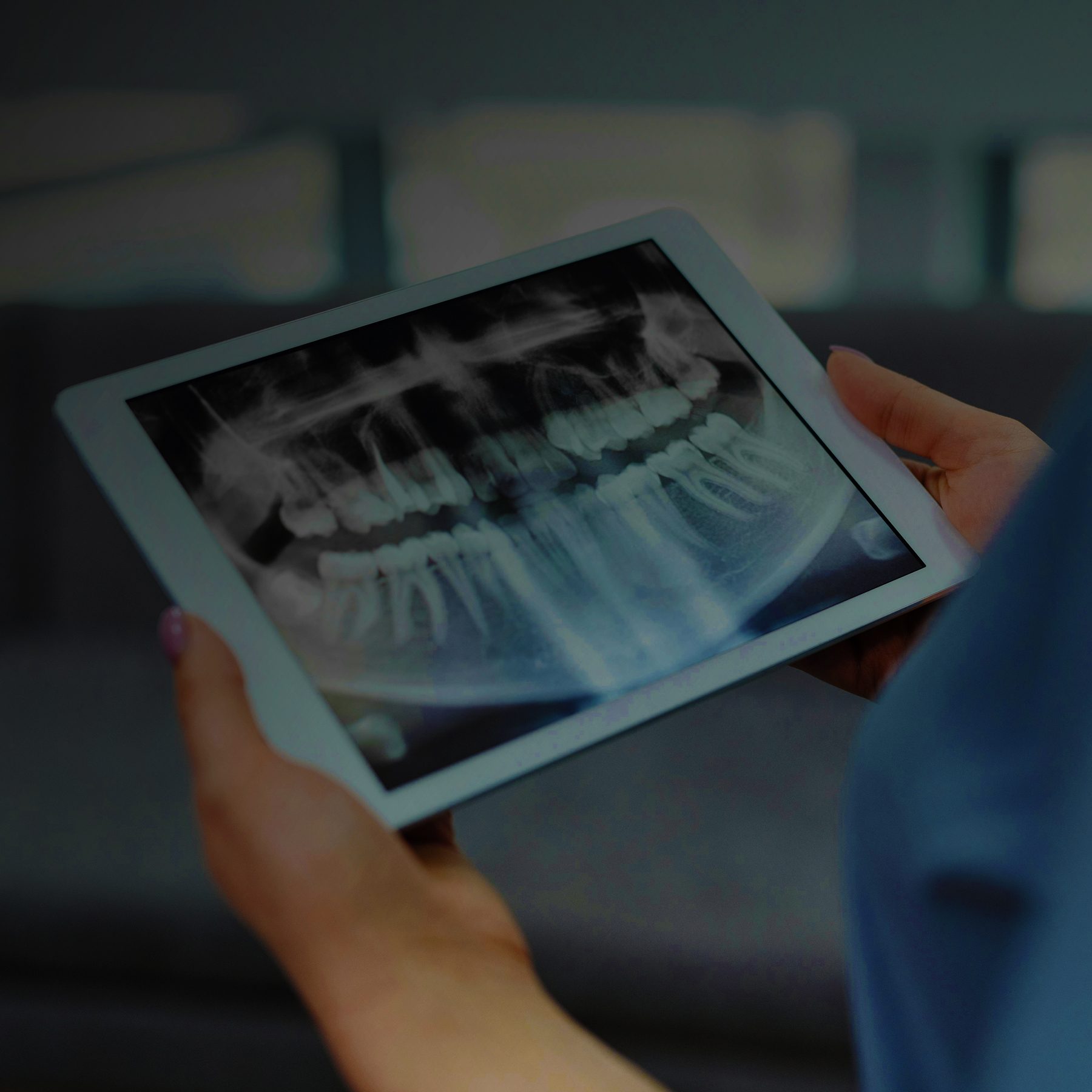

Severe pain under a dental crown has a way of taking over everything. Patients describe it as a deep pressure, a shocking jolt when they bite, a throbbing ache that keeps them awake, or a sudden sharp pain that seems impossible because the tooth was already treated and covered. In Los Angeles, where work schedules are packed and traffic can turn a short trip into an ordeal, that kind of pain often pushes people to search for an Emergency Dentist Los Angeles CA the same day.
A crown is supposed to protect a damaged tooth. When pain develops underneath it, something has changed. Sometimes the problem is minor and fixable in one visit. Other times the crown is only the visible part of a deeper infection, a cracked tooth, a bite problem, or failure of older dental work. The key is not to guess. Pain under a crown can escalate quickly, and trying to wait it out often turns a manageable problem into a larger one.
Why a crowned tooth can start hurting
A crown covers the visible part of the tooth, but it does not make the tooth immune to disease or injury. Natural teeth are still living structures, supported by https://elliotiytb411.cloudhinter.com/posts/what-makes-a-great-emergency-dentist-in-los-angeles-ca roots, ligaments, bone, and surrounding gum tissue. Any of those areas can create pain.
One common cause is decay at the margin of the crown, where the crown meets the natural tooth. Patients are often surprised to hear this, because they assume a crowned tooth cannot get a cavity. It can. Bacteria can work their way into tiny gaps, especially if the crown is older, the cement has weakened, or plaque has been sitting near the gumline. Early leakage might not hurt at all. Once it reaches the nerve or creates inflammation, the pain can become intense.
Another frequent cause is a bite issue. Crowns that are even slightly too high can place repeated pressure on the tooth every time a person chews or clenches. At first, that may feel like tenderness. Over days or weeks, the tooth can become highly sensitive to pressure. In some patients, especially those who grind their teeth at night, that constant force inflames the ligament around the root and creates pain that feels like it is coming from deep inside the tooth.
There is also the possibility of nerve damage or infection. Some teeth need crowns after large fillings, fractures, or trauma. In those cases, the nerve may already be irritated. A tooth can look stable for months or even years, then begin to fail internally. Patients will often say, “The crown has been there forever, why would it hurt now?” That is a fair question. The answer is that crowns do not stop a nerve from dying slowly or an infection from developing at the root tip.
Cracks are another serious possibility. A crown can hold a weakened tooth together to a point, but not indefinitely. If the underlying tooth structure fractures, pain may appear when biting, releasing pressure, or eating something cold. Vertical root fractures are especially difficult because they can mimic other problems and may not be obvious in the early stage.
Gum infection around the crowned tooth can also create severe pain. Food can trap around the edge of the crown, especially if the fit is not ideal. Inflamed gum tissue may swell, bleed, and become exquisitely tender. In some situations, the discomfort feels like it is coming from the tooth when the real source is the surrounding periodontal tissue.
The difference between sensitivity and a true dental emergency
Not every ache under a crown requires immediate emergency treatment, but some situations clearly do. Mild temperature sensitivity after a new crown may settle within days or a few weeks. A brief zing to cold can happen when a tooth is adjusting, especially if a large amount of enamel was removed during preparation. That kind of sensitivity should trend downward, not upward.
Severe pain is different. If the tooth throbs on its own, wakes you at night, hurts with light biting pressure, or causes swelling in the gum or face, that is no longer a watch and wait situation. The same applies if you feel feverish, notice a bad taste from drainage near the tooth, or find it difficult to open your mouth fully. Those signs suggest infection or significant inflammation.
A skilled Emergency Dentist will look at the timing, triggers, and type of pain. Sharp pain to biting points in one direction. Lingering heat pain often suggests nerve involvement. Pressure pain with a feeling that the tooth is “too tall” may indicate bite trauma. Swelling changes the picture entirely because it raises concern about an abscess.
One detail that matters in real practice is whether the crown is new or old. A new crown with immediate pain can point to bite imbalance, cement irritation, or a preexisting nerve issue that became symptomatic after treatment. An older crown that suddenly starts hurting may be more suggestive of decay, leakage, fracture, or a root infection.
What an emergency dental visit usually involves
Patients in severe pain often want one answer right away: can this be fixed today? In many cases, yes, at least enough to control the pain and stop the situation from getting worse. The emergency visit is meant to identify the source and decide whether the tooth can be preserved with prompt treatment.
The first step is a careful exam. Good emergency dentistry is not guesswork. The dentist will ask when the pain started, what triggers it, whether it lingers, and whether there has been swelling, recent dental work, sinus pressure, trauma, or clenching. A crowned upper molar can sometimes mimic sinus pain. A lower molar can send pain to the ear or jaw. History matters.
X rays are usually necessary, though they do not show everything. A root infection, decay beneath a margin, bone loss, or a widening of the ligament can often be seen. Small cracks usually cannot. That is where testing becomes important. The dentist may tap the tooth, test the bite, probe the gums, apply cold, and evaluate nearby teeth because pain can radiate. More than a few patients are convinced one crowned tooth is the problem, only to learn the painful source is the tooth next to it.
If the crown itself is loose, broken, or obviously leaking, the dentist may need to remove it. That decision takes judgment. Removing a crown can clarify the problem, but it also means the tooth underneath must be protected afterward. When infection is suspected in a tooth with a living nerve or a failing nerve, root canal treatment may be the best path. If the tooth is split beyond repair, extraction may be the only predictable option. Those are very different outcomes, which is why an exam matters more than assumptions.
Signs you should seek care the same day
When pain under a crown crosses into severe territory, delaying care can make the day much harder and the treatment more complicated. Same day evaluation is wise if you notice any of the following:
- Throbbing pain that does not let up or keeps you from sleeping.
- Swelling in the gum, face, or jaw near the crowned tooth.
- Pain when biting that is sharp, intense, or suddenly worsening.
- Fever, drainage, or a foul taste that may indicate infection.
- A loose crown combined with significant pain or exposed tooth structure.
These symptoms do not all mean the same thing, but they all justify prompt attention from an Emergency Dentist Los Angeles CA.
Root canal through a crown, crown removal, or something simpler
One of the most practical questions patients ask is whether the crown has to come off. The answer depends on what the dentist finds. If the crown is well positioned and the issue is infection inside the tooth, a root canal can sometimes be performed through the crown. That preserves the existing restoration and avoids starting from scratch. It is often efficient and cost effective if the crown is still in good shape.
If the crown is loose, decayed around the edges, poorly fitted, or blocking proper diagnosis, removal may be necessary. Once removed, the dentist can better inspect the tooth structure and determine whether the foundation is strong enough for a new crown later. In some cases, the crown comes off cleanly and can be recemented after treatment. In others, it must be replaced.
There are also situations where the fix is straightforward. If the crown is simply high in the bite, a careful adjustment can relieve the pressure significantly. If gum inflammation from trapped debris is the source, cleaning the area and improving access for home care may settle the pain. Those are the easy wins, but they still need proper diagnosis because they can look similar to more serious conditions at first glance.
The harder cases involve fractures. A cracked tooth under a crown may be restorable if the crack is limited and the root remains healthy. Once a crack extends deep below the gumline or into the root, the long term outlook drops sharply. Dentists who handle emergencies regularly learn to be honest here. It is better to explain uncertainty early than to promise a save that may not hold.
What to do before you get to the office
If you are trying to make it through the drive or waiting for your appointment time, a few practical steps can reduce discomfort without making the situation worse.
- Rinse gently with warm salt water to clear debris and soothe irritated tissue.
- Avoid chewing on the painful side, especially hard, crunchy, or sticky foods.
- Use an over the counter pain reliever if you normally tolerate it and it is safe for you.
- Apply a cold compress on the outside of the face if there is swelling.
- Do not place aspirin directly on the gum or tooth, which can burn the tissue.
Those measures are temporary. They do not replace treatment, especially when swelling or severe pressure pain is involved.
Why pain under a crown can feel worse at night
This comes up often, and it is not your imagination. Dental pain frequently intensifies at night. When you lie down, blood flow and pressure in inflamed tissues can shift enough to make a tooth throb more noticeably. There are also fewer distractions. During the day, people can keep moving, talking, working, and postponing the problem. At midnight, every pulse of pain gets your full attention.
Night grinding adds another layer. Many patients with crowned molars clench while asleep, particularly under stress. Los Angeles schedules do not exactly encourage ideal rest. If the crowned tooth already has a bite issue or a small crack, that overnight force can turn irritation into severe pain by morning. Patients sometimes believe the pain appeared suddenly, when in reality the structure had been weakening and the final push happened during sleep.
The role of age, old dental work, and previous treatment
Crowns do not last forever. A well made crown can serve for many years, but longevity depends on several variables: the amount of remaining tooth structure, how clean the margins stay, whether the patient grinds, the quality of the underlying root canal if one was done, and the health of the surrounding gums and bone.
Older crowns present a predictable set of problems. The cement can fail slowly. The tooth under the edge can decay without being visible from the outside. Metal based crowns can develop dark margins that may hide changes at the gumline. Even excellent dental work ages, and the mouth does not stay static. Fillings in neighboring teeth shift. Gum tissue recedes. Bite patterns change.
There is also a clinical reality patients do not always hear discussed plainly. Some crowned teeth are compromised from the day the crown is placed because the original tooth was already heavily broken down. The crown may buy years of function, but the margin for future trouble is slimmer. When those teeth become painful, the right decision may still be to save them, but the conversation should include prognosis, not just immediate relief.
A common scenario in emergency practice
A patient comes in on a Friday afternoon with severe pain under a lower molar crown that was placed six years ago. The pain started as tenderness when chewing steak a week earlier, then escalated to spontaneous throbbing. Ibuprofen helped at first, then stopped touching it. On exam, the crown looks intact. The tooth is very sore to biting and tapping. The x ray shows a dark area near the root tip and a slightly open margin on the back side of the crown.
That pattern often means bacteria have leaked under the crown and reached the inside of the tooth. If the root structure is sound and there is enough healthy tooth left, root canal treatment may save it, followed by a new crown if needed. If the crown is removed and the tooth is mostly decay at the gumline, extraction may be the more predictable route. The patient came in for pain relief, but the real value of the emergency visit is clarity. Once the source is identified, treatment becomes rational instead of reactive.
Choosing an Emergency Dentist in Los Angeles for crown pain
In a large city, same day dental care ranges from highly experienced emergency providers to offices that simply squeeze in pain cases when they can. For severe pain under a crown, it helps to find a dentist who is comfortable diagnosing complex restorative problems, not just prescribing medication and postponing decisions.
Experience matters because crowned teeth can be deceptive. The visible restoration may look fine while the underlying issue is advanced. A dentist who sees these cases often will know when a bite adjustment is enough, when imaging needs to go further, when the crown should come off, and when referral to an endodontist or oral surgeon makes sense. That judgment can save time, money, and unnecessary procedures.
It is also worth paying attention to how the office handles the phone call. A strong emergency team asks about swelling, fever, trauma, and how long the pain has been going on. They explain what to expect and try to bring high risk cases in quickly. If an office minimizes severe crown pain as routine sensitivity without asking basic questions, that is not reassuring.
Cost questions and why estimates vary
People in acute pain understandably want hard numbers, but emergency dental costs depend on the diagnosis. An exam and x rays are one level. A simple bite adjustment or recement can be modest compared with root canal treatment, a crown replacement, or extraction. The exact fee depends on the tooth involved, whether a specialist is needed, and whether the existing crown can be preserved.
The most practical approach is to get diagnosed first. A patient who assumes they only need the crown glued back on may actually have an infected root. Another who fears a root canal may only need a minor adjustment. Treatment planning before diagnosis wastes energy and often leads to the wrong expectations.
Insurance can help, but even insured patients should ask what portion applies to emergency exams, endodontic treatment, core buildup, new crowns, or extractions. Offices that deal with emergencies every day are usually used to walking patients through that sequence.
Preventing the next emergency
Not every case is preventable, but many are. Crowned teeth benefit from boring habits done consistently. Daily cleaning at the gumline matters because recurrent decay starts where plaque sits. Night guards matter for grinders because excessive force can damage both crowns and natural teeth. Regular exams matter because small margin defects are far easier to manage before they hurt.
Pay attention to subtle changes. A crowned tooth that begins trapping floss, feeling rough at the edge, catching food, or becoming slightly tender under pressure is giving information. Those are the patients who often avoid true emergencies because they came in while the problem was still quiet.
Severe pain under a crown is not something to tough out, especially when swelling, pressure pain, or sleepless throbbing enters the picture. The crown may be the symptom you can see, but the real issue is usually underneath. An experienced Emergency Dentist can sort out whether the tooth needs a simple adjustment, root canal treatment, crown replacement, or a different plan entirely. Fast diagnosis is what turns panic into a path forward, and when the pain is sharp enough to stop your day cold, that matters more than anything.
Simple Dental Vermont
Address: 8914 S Vermont Ave, Los Angeles, CA 90044
Phone number: +13239493000
FAQ About Emergency Dentist Los Angeles CA
What can the ER do for a tooth?
The emergency room can provide temporary symptom relief for a bad tooth, such as prescribing pain medicine or antibiotics, but it cannot fix the actual dental problem.
What is the 3-3-3 rule for tooth infection?
The 3-3-3 rule for a toothache or infection typically means taking three 200 mg ibuprofen tablets (600 mg total) three times a day for no more than three days to control pain and swelling while waiting to see a dentist.
What do you do if you have a dental emergency but no dentist?
If you have a dental emergency and no regular dentist, you should search for an urgent care dental clinic, call local walk-in dental offices, or go to a hospital emergency room if you have severe bleeding, swelling, or trouble breathing.