What Parents Should Know About Pediatric Emergency Dentist Visits

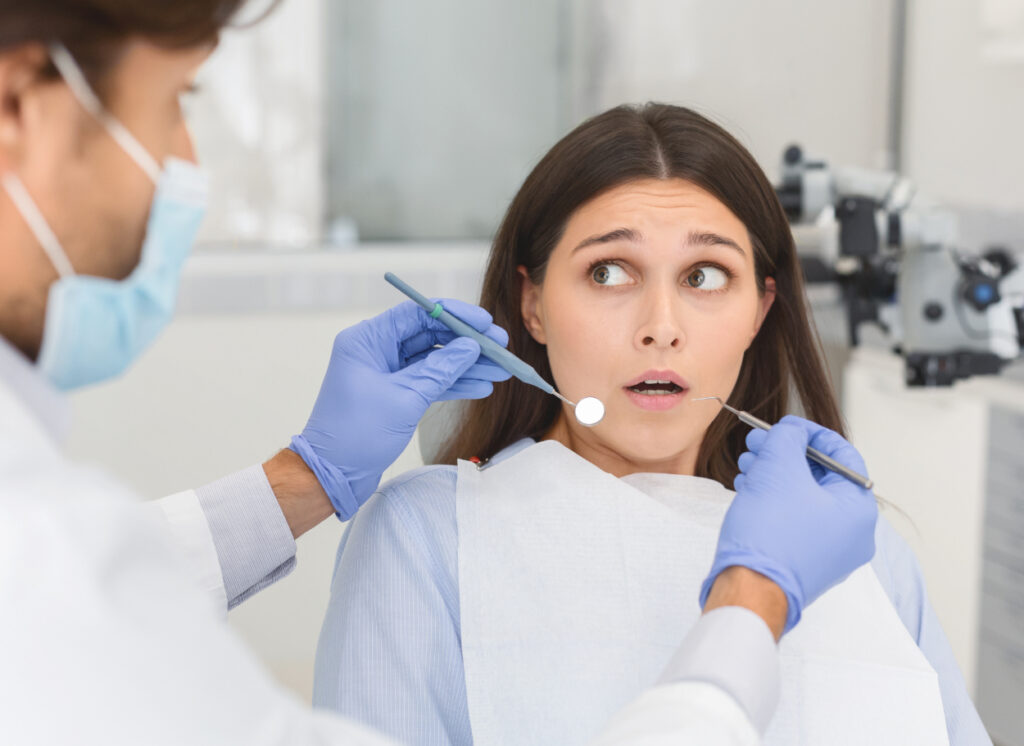

A child’s dental emergency rarely arrives at a convenient time. It happens during soccer practice, after a fall from a bunk bed, halfway through dinner, or late at night when every regular office line rolls to voicemail. In those moments, most parents are not wondering about long-term treatment plans or insurance coding. They want to know whether the injury is serious, whether their child will lose a tooth, how much pain is normal, and where to go right now.
Pediatric dental emergencies have their own logic. Children are not just small adults with smaller teeth. Their mouths are still developing, their roots may be incomplete, and their baby teeth can affect the permanent teeth growing underneath. That changes how a dentist evaluates trauma, infection, swelling, and pain. A chipped front tooth in a seven-year-old may be a cosmetic issue, a nerve issue, or a threat to the underlying permanent tooth, depending on which tooth is involved and how deep the fracture runs. A swollen gum can be minor irritation, or it can signal an infection that should not wait until Monday.
An experienced pediatric Emergency Dentist looks at more than the tooth itself. They assess growth stage, behavior, pain level, soft tissue injury, the risk of future complications, and whether treatment should happen immediately or in a measured sequence. For parents, understanding that process helps replace panic with useful action.
What counts as a true pediatric dental emergency
Not every tooth problem is an emergency, but some situations deserve prompt attention, often the same day. The most urgent cases usually involve trauma, uncontrolled bleeding, rapidly increasing swelling, severe pain that does not ease with standard measures, or a knocked-out permanent tooth. Facial swelling deserves particular respect. If a child has dental pain and the cheek is getting noticeably larger, especially with fever or difficulty swallowing, that moves out of the routine category fast.
A loose baby tooth after a bump may not be urgent. A permanent tooth pushed out of position often is. A broken tooth with a tiny edge chip may be able to wait. A fracture that exposes the inner tooth structure, causes bleeding from the tooth itself, or makes the child flinch at air or water needs quicker care. The distinction is not always obvious at home, which is why many parents call unsure whether they are overreacting. In practice, it is better to call and be told it can wait than to guess wrong with a young permanent tooth.
One situation causes the most confusion: knocked-out teeth. If a baby tooth comes out from an injury, parents should not try to put it back in. Reimplanting a baby tooth can damage the permanent tooth developing beneath it. If a permanent tooth is knocked out, time matters. The best outcomes usually happen when the tooth is replanted quickly, ideally within 30 to 60 minutes, though dentists still try beyond that window depending on the circumstances.
Why children need a different emergency approach
Children do not describe pain the way adults do. A preschooler may say their whole mouth hurts when the real issue is pressure from a dental abscess near one molar. A school-age child may insist they are fine because they are frightened of treatment and want to avoid the office. Teenagers can go the other way and minimize symptoms until swelling or infection becomes impossible to ignore.
There is also the question of development. A pediatric dentist examining a front tooth injury pays close attention to whether the tooth is primary or permanent, whether the root is still forming, and whether the trauma affected the blood supply inside the tooth. In a younger child, preserving future development can matter as much as managing today’s symptoms. Sometimes the right decision is to stabilize and monitor rather than rush into a permanent-looking fix.
Behavior matters too. A frightened child with a bleeding lip and a fractured tooth may need a gentler pace, more explanation, and sometimes a different treatment setting than an adult would. Good emergency care is not only technical. It is also about keeping the child calm enough to get accurate images, complete the exam, and deliver treatment safely.
The situations that usually need same-day attention
Parents often ask for a rule of thumb, and there are a few. If the injury involves a permanent tooth, visible swelling, trauma to the face, or pain that is escalating rather than settling, it is wise to contact a dentist promptly. The same applies if your child cannot bite normally after an accident, cannot close their teeth together the way they did before, or has bleeding from the gums that does not stop with pressure.
Here are the situations that most commonly justify an urgent call to a pediatric Emergency Dentist:
- A permanent tooth is knocked out, pushed inward, pushed sideways, or suddenly very loose after an injury.
- A tooth is broken deeply enough to cause significant pain, bleeding, or visible yellow or pink inner layers.
- There is facial swelling, gum swelling with pain, or signs of infection such as fever or a bad taste draining in the mouth.
- Bleeding from the mouth continues after direct pressure, or the child may have cuts needing evaluation.
- Severe toothache keeps the child from eating, sleeping, or functioning despite appropriate home measures.
That list is useful, but real life has gray zones. For example, a cracked molar on a Saturday morning may not look dramatic, yet if the child winces with every sip of water and refuses food, waiting two days can feel like a long time. On the other hand, a small chip on the edge of a front baby tooth with no pain and no bleeding is often evaluated soon, but not necessarily after hours.
What to do before you leave home
The minutes before you head to the dental office matter more than many parents realize. Calm, simple steps can reduce pain, protect the injured area, and improve the dentist’s chances of helping. It is also a moment to gather the practical details that tend to disappear when everyone is stressed.
If a permanent tooth has been knocked out, hold it by the crown, not the root. If it is visibly dirty, rinse it briefly with milk or saline, or with a gentle stream of clean water for only a few seconds. Do not scrub it. If your child is old enough and calm enough, you may be instructed to place the tooth back in the socket immediately. If that is not realistic, store it in milk or in a tooth preservation solution if you have one. A dry paper towel is the wrong place for it, though many frightened parents reach for one first.
For swelling, a cold compress on the cheek helps. For bleeding, firm pressure with clean gauze usually does the job. For pain, many dentists recommend age-appropriate over-the-counter medication, but dosing must follow the child’s weight and the product label or the advice of a clinician. Aspirin should be avoided in children unless specifically directed by a medical professional.
When you call, be ready to answer a few direct questions. Offices often ask when the injury happened, whether the tooth is baby or permanent, whether swelling is increasing, whether the child lost consciousness, and what pain medicine has already been given. If there was a fall or facial injury, mention any signs of concussion or head trauma right away. Dental care may not be the first stop if a broader medical evaluation is needed.
What happens during the visit
Parents sometimes expect an emergency dental visit to move straight into treatment, but the first goal is a good diagnosis. That usually includes a history of what happened, a visual exam, and often dental X-rays. If the child fell hard enough to injure the mouth, the dentist also checks the lips, gums, jaw movement, and the way the teeth fit together.
This can feel slower than expected when your child is hurting, but it is the right pace. A https://medium.com/@simpledentalsouthgate/about tooth can look fine and still have root damage. A lip cut can hide debris from pavement or mulch. A tooth that appears slightly displaced may actually have an injury to the bone supporting it. Good emergency care means resisting the urge to treat first and think later.
The treatment itself depends on the problem. A broken tooth may be smoothed, bonded, covered, or treated more extensively if the nerve is involved. A displaced tooth may need repositioning and splinting. An abscessed baby tooth may need drainage, antibiotics in selected cases, or extraction if the infection source cannot be controlled another way. A permanent tooth with immature roots may be managed differently than a fully developed one because preserving vitality can support continued root growth.
Parents are often surprised that not every painful tooth gets antibiotics. Antibiotics are not a cure for routine dental pain, and they do not remove decay or fix a cracked tooth. They are used when infection is spreading or when swelling and systemic symptoms make them appropriate. That distinction matters. Overprescribing helps no one, and under-treating a genuine infection is just as problematic.
The questions parents should ask in the room
In emergency visits, families are often processing a lot at once. A child may be crying, the office may be fitting you between scheduled patients, and the dentist may be explaining both immediate care and what to watch for next. This is where clear questions help.
Ask what type of tooth is involved, especially if you are not certain whether it is a baby or permanent tooth. Ask whether the injury affects the nerve, root, or surrounding bone. Ask what changes over the next 24 to 72 hours would be expected, and which ones would be red flags. Ask whether the tooth is likely to discolor later, whether follow-up imaging will be needed, and whether your child should avoid sports or certain foods for a period of time.
If the dentist recommends observation rather than active treatment, that is not a sign of indifference. Sometimes watchful management is exactly right. A pediatric dentist may want to see whether a mildly injured tooth recovers on its own, rather than intervening prematurely. Parents usually feel better when the reasoning is made explicit.
Baby teeth versus permanent teeth, why the difference matters
This is where emergency decisions can seem counterintuitive. Many parents understandably think every lost or damaged tooth should be saved if possible. With baby teeth, that is not always the goal. A severely injured primary tooth may be removed because its position, infection risk, or movement could harm the permanent tooth bud beneath it. Trying to preserve it at all costs can create a bigger problem later.
With permanent teeth, the threshold to save and stabilize is much higher. A child who knocks out a permanent front tooth at age eight or nine has a very different treatment path than a toddler who loses a baby incisor. The dentist is not just thinking about today’s appearance. They are thinking about bone support, future orthodontic needs, root development, and the long timeline of a growing face.
I have seen parents feel guilty because they did not know which tooth their child had injured. That is common. The mixed dentition years can be confusing, with baby teeth and permanent teeth side by side. It is one more reason to call instead of guessing.
Pain, fear, and the reality of treatment for young children
Pain is not the only challenge in pediatric emergencies. Fear can complicate even simple treatment. A child who was fine at routine cleanings may react very differently when there is blood, numbness, or an unexpected injection involved. The emotional temperature of the room matters.
Experienced pediatric teams usually explain each step in plain language, use a measured pace, and avoid overwhelming children with too much information at once. Sometimes the most effective part of the visit is not the filling material or the splint, it is the assistant who keeps the child breathing evenly and the parent grounded.
Parents can help by staying calm, even if they are worried. Children read facial expressions fast. A parent who says, “You chipped your tooth, but we’re getting help and you’re safe,” does more good than one who repeatedly asks, “Does it hurt? Are you okay? Is this terrible?” Reassurance works best when it is steady and matter-of-fact.
That said, there are children for whom emergency treatment is difficult despite everyone’s best effort. In some cases, the dentist may do only what is needed to control pain, protect the tooth, or reduce immediate risk, then complete the rest later under better conditions. That is not a compromise in quality. It is clinical judgment.
Cost, insurance, and after-hours logistics
Emergency care raises practical questions fast. Parents may be worried about fees, especially if the visit is after hours or at a specialty office they have not used before. Costs vary widely based on location, imaging needs, and the treatment performed. An exam alone is different from trauma X-rays, splinting, pulp therapy, extraction, or sedation. If possible, ask for a general range before treatment starts, but understand that the full picture sometimes becomes clear only after the exam.
Insurance coverage can be equally uneven. Dental plans usually cover emergency exams, but the percentage paid and annual maximums vary. If the injury happened during sports or a fall, there may also be a medical insurance angle, especially if facial lacerations, imaging, or hospital care are involved. Offices that handle pediatric emergencies often help families sort out which benefit may apply, but not always in real time.
If you are searching for an Emergency Dentist after hours, ask whether the office routinely treats children, not just whether it accepts emergencies. Pediatric experience matters. So does access to follow-up care. A child with a dental trauma often needs repeat checks over weeks or months, even when the immediate problem seems resolved.
Recovery at home is part of the treatment
A successful visit does not end at the office door. What parents do over the next several days affects comfort and healing. Soft foods are often wise after trauma, especially if the front teeth were hit or a tooth was repositioned. Think yogurt, eggs, pasta, smoothies eaten by spoon, oatmeal, rice, and soups that are warm rather than hot. Crunchy snacks and biting into apples or sandwiches with the front teeth may need to wait.
Oral hygiene still matters, even around tender areas. In fact, it matters more. Plaque accumulation around an injured tooth or healing gum makes recovery harder. Most dentists encourage gentle brushing and may recommend a rinse in selected cases, depending on the child’s age and the injury.
Watch for the subtle changes parents often miss at first. A tooth that darkens over time, a pimple-like bump on the gum, increasing tenderness to biting, or swelling that returns after initially improving can all signal that the tooth needs re-evaluation. Traumatized teeth sometimes declare themselves later. That delay can be frustrating, but it is normal enough that dentists schedule follow-up on purpose.
Here is a short home-care checklist parents often find useful after an urgent dental visit:
- Follow food and activity restrictions exactly, especially after trauma or splinting.
- Give medication only as directed, and track the time of each dose.
- Keep the mouth clean with gentle brushing, even near the injured area.
- Monitor for swelling, fever, discoloration, drainage, or worsening pain.
- Keep every follow-up appointment, even if your child seems back to normal.
When the emergency is really medical first, dental second
A common parental mistake is assuming that because blood is coming from the mouth, the dentist must be the first call. Sometimes that is true. Sometimes it is not. If your child has trouble breathing, trouble swallowing, heavy uncontrolled bleeding, a suspected jaw fracture, a deep facial cut, vomiting after a fall, loss of consciousness, or signs of significant head injury, emergency medical care comes first.
The mouth is part of the face, and facial trauma can overlap with larger injuries. Dentists know this and will usually redirect appropriately if the situation calls for it. There is no prize for getting to the dental office first when a child needs a hospital assessment.
How to reduce the chances of needing an emergency visit
No parent can eliminate accidents, and some emergencies happen despite excellent care. Still, a surprising number of urgent visits are preventable. Untreated cavities that progress into pain and swelling are one example. Another is sports trauma in children playing without a mouthguard. Then there are the household mishaps, scooters on driveways, trampoline collisions, falls with sippy cups or toys in the mouth, that seem random until you have seen enough of them.
Routine dental care lowers the odds of after-hours crises because small cracks, weak restorations, and advancing decay are more likely to be caught early. For active children in contact or stick sports, a properly fitted mouthguard is one of the simplest ways to reduce serious dental injuries. It does not prevent every accident, but it can make the difference between a bruised lip and a fractured incisor.
The larger point is not that parents should have prevented every emergency. They cannot. It is that preparation helps. Know who your child’s dentist is, save the office number, ask what after-hours coverage exists, and understand the basic rule about knocked-out permanent teeth versus baby teeth before you ever need it. In a real emergency, borrowed knowledge feels a lot like peace of mind.
What reassures dentists most when parents call
The parents who navigate these situations best are not always the calmest at the start. They are the ones who can give a clear account of what happened, follow simple instructions, and bring the child in promptly when advised. A pediatric dental emergency is stressful, but it is also manageable when the response is focused.
If there is one idea worth carrying away, it is this: quick attention does not always mean dramatic treatment. Sometimes it means preserving a knocked-out permanent tooth. Sometimes it means draining an infection before swelling spreads. Sometimes it means confirming that a chipped baby tooth only needs observation. The value of the visit is not measured by how much gets done. It is measured by whether the child receives the right care, at the right time, for a mouth that is still growing.
Simple Dental Vermont
Address: 8914 S Vermont Ave, Los Angeles, CA 90044
Phone number: +13239493000
FAQ About Emergency Dentist Los Angeles CA
What can the ER do for a tooth?
The emergency room can provide temporary symptom relief for a bad tooth, such as prescribing pain medicine or antibiotics, but it cannot fix the actual dental problem.
What is the 3-3-3 rule for tooth infection?
The 3-3-3 rule for a toothache or infection typically means taking three 200 mg ibuprofen tablets (600 mg total) three times a day for no more than three days to control pain and swelling while waiting to see a dentist.
What do you do if you have a dental emergency but no dentist?
If you have a dental emergency and no regular dentist, you should search for an urgent care dental clinic, call local walk-in dental offices, or go to a hospital emergency room if you have severe bleeding, swelling, or trouble breathing.